


5 Advanced Warm-Up Techniques for Sport and Working Dogs
- Steven Roxx
- Feb 3
- 4 min read

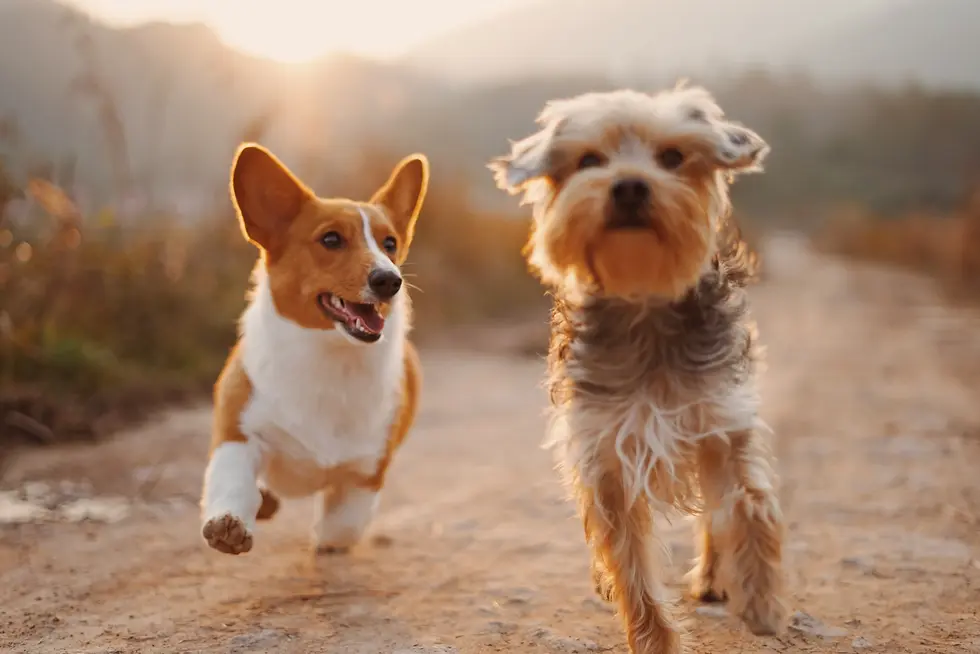
Sport and working dogs are incredible athletes. Whether they’re competing in agility, obedience, scent work, protection sports, or performing demanding working roles, their bodies are under constant physical stress. Yet one of the most overlooked aspects of canine performance is the warm-up routine.
Just like human athletes, dogs need structured warm-ups to prepare muscles, joints, and nervous systems for intense activity. Skipping this step dramatically increases the risk of strains, ligament injuries, and long-term joint damage. That’s where advanced warm-up techniques for dogs come in.
In this guide, we’ll explore five advanced warm-up techniques designed specifically for sport and working dogs — techniques that go beyond a casual walk and actively prepare your dog for peak performance. If you’re training an active dog in Austin, TX, these methods can help keep your dog strong, confident, and injury-free.
Why Warm-Ups Matter for Sport and Working Dogs
A proper warm-up does more than “get the wiggles out.” It:
Increases blood flow to muscles
Improves joint lubrication and range of motion
Enhances neuromuscular coordination
Reduces the risk of soft tissue injuries
Improves focus and body awareness
Cold muscles are far more prone to injury. Without warming up, dogs may experience muscle pulls, tendon strain, spinal stress, or compensatory movement patterns that eventually lead to chronic pain.
Advanced warm-ups are especially important for:
Agility dogs
Protection and bite sport dogs
Search and rescue dogs
Detection and scent work dogs
Herding dogs
Highly active companion dogs
What Makes a Warm-Up “Advanced”?
A basic warm-up might include light walking or slow trotting. While helpful, advanced warm-up techniques go further by targeting:
Specific muscle groups
Joint stability
Core engagement
Balance and coordination
Controlled range of motion
These techniques are intentional, structured, and tailored to the physical demands placed on sport and working dogs.
Technique 1: Dynamic Range of Motion Exercises
Dynamic range of motion (ROM) exercises gently take joints through controlled movement patterns without forcing stretches.
Why It Works
Dynamic movement:
Increases joint lubrication
Improves flexibility safely
Activates stabilizing muscles
Prepares connective tissue for load
Unlike static stretching, dynamic ROM mimics real movement and reduces injury risk.
Examples of Dynamic ROM for Dogs
Slow figure-eight walking
Controlled side stepping
Gentle weight shifts
Curved path walking around cones
These movements activate shoulders, hips, spine, and core muscles — all essential for sport performance.
Technique 2: Targeted Core Activation
Core strength is the foundation of safe, powerful movement. Dogs with weak cores often compensate with limbs or spine, increasing injury risk.
Why Core Activation Is Essential
A strong core:
Stabilizes the spine
Improves balance and coordination
Enhances jumping and turning ability
Protects joints from overload
Advanced Core Warm-Up Drills
Stand-to-sit repetitions with control
Weight shifting while standing
Front paw targeting on a low platform
Slow backing up in a straight line
These exercises gently “wake up” deep stabilizing muscles before high-impact activity begins.
Technique 3: Proprioceptive Balance Work
Proprioception is your dog’s awareness of their body in space. Advanced warm-ups should include exercises that challenge balance and coordination.
Why Proprioception Matters
Improved proprioception:
Enhances reaction time
Reduces missteps and slips
Improves confidence on obstacles
Protects joints during sudden movements
Balance-Based Warm-Up Exercises
Standing with front paws on an unstable surface
Slow controlled stepping over low poles
Offset stance positions (one paw slightly elevated)
Gentle wobble board work (only if trained safely)
These drills stimulate the nervous system and improve movement precision.
Technique 4: Controlled Cardiovascular Activation
Jumping straight into high-speed activity is risky. Instead, gradually elevate heart rate while maintaining control.
Why Controlled Cardio Is Important
Gradual cardiovascular activation:
Increases oxygen delivery
Prepares muscles for sustained effort
Improves mental engagement
Reduces sudden strain
Advanced Cardio Warm-Up Options
Slow trotting with direction changes
Large controlled circles at increasing speed
Patterned movement drills (zig-zags, loops)
This technique bridges the gap between gentle movement and full performance intensity.
Technique 5: Sport-Specific Movement Preparation
Every sport places different demands on a dog’s body. Advanced warm-ups should reflect the movements your dog is about to perform.
Examples by Sport Type
Agility Dogs
Lateral movement drills
Rear-end awareness exercises
Controlled jumping mechanics (very low height)
Protection or Working Dogs
Controlled forward drives
Deceleration drills
Neck and shoulder engagement movements
Scent and Detection Dogs
Controlled head-down movement
Slow transitions between positions
Focus-based movement exercises
Sport-specific warm-ups ensure muscles and joints are prepared for the exact demands ahead.
How Long Should an Advanced Warm-Up Take?
An effective advanced warm-up typically lasts 8–12 minutes, depending on:
Dog’s age
Fitness level
Environmental temperature
Intensity of upcoming work
In warmer climates like Austin, TX, warm-ups may be slightly shorter — but they are still essential.
Common Warm-Up Mistakes to Avoid
Even well-meaning handlers make mistakes that increase injury risk.
Avoid These Errors
Skipping warm-ups entirely
Relying only on casual walking
Performing static stretches on cold muscles
Rushing through exercises
Using unfamiliar equipment without training
Consistency and control matter more than complexity.
How Warm-Ups Reduce Injury Risk
advanced warm-up techniques for dogs help prevent:
Muscle strains
Ligament tears
Joint inflammation
Spinal stress
Overuse injuries
By preparing the body and nervous system, warm-ups reduce compensatory movement patterns that often cause long-term damage.
Integrating Warm-Ups Into Your Training Routine
The best warm-up is the one you do every time.
Tips for consistency:
Use the same sequence before training
Adjust intensity based on workload
Monitor your dog’s comfort and engagement
Keep exercises positive and rewarding
Dogs quickly learn warm-up routines and often show increased focus once they begin.
When to Seek Professional Guidance
If your dog:
Has a history of injury
Shows uneven movement
Tires quickly
Avoids certain exercises
Competes at high levels
A professional canine fitness or training expert can help design a customized warm-up plan.
At Venture Dog Training in Austin, TX, warm-up routines are often integrated into broader conditioning and injury prevention programs to support long-term success.
Warm-Ups Are About Longevity, Not Just Performance
Advanced warm-up techniques don’t just improve performance — they protect your dog’s future.
Dogs that warm up properly:
Stay active longer
Recover faster
Move more confidently
Experience fewer setbacks
Whether your dog competes or works daily, proper preparation is one of the most powerful tools you have.
Final Thoughts
Sport and working dogs ask a lot of their bodies. Advanced warm-up techniques ensure those bodies are ready to perform safely and confidently. By incorporating dynamic movement, core activation, balance work, controlled cardio, and sport-specific preparation, you dramatically reduce injury risk and enhance performance.
For dog owners and handlers in Austin, TX, investing time in proper warm-ups is one of the smartest decisions you can make for your dog’s health, comfort, and longevity.


Comments