Reactive Dog Training Austin, TX
Barking, lunging, hackles up at half a block: reactivity is not disobedience, it is a nervous system over threshold. One behavior program covers reactivity, aggression, guarding and fear, calming the body that drives the behavior so you can enjoy walks again.
Professional Certifications & Memberships










Steven Tallas, CBCC-KA, Dip.CBST, CSCC — certified in canine behavior consulting, behavior science & technology, and canine sports conditioning.
You Are Not the Only One Crossing the Street
Walking a reactive dog in Austin is exhausting. Scanning every corner for other dogs. Timing walks for empty sidewalks. The flush of embarrassment when your sweet dog turns into a barking, lunging stranger over a Labrador two hundred feet away. Skipping Zilker, skipping patios, skipping the life you got a dog for.
Here is what thirteen years of behavior work says: your dog is not dominant, stubborn or broken, and you did not cause this. Reactivity is a nervous system doing its job too well, firing a survival response at things that are not threats. It is also the single most common problem we solve, and the reason most of our clients found us.
Reactivity work is Venture's signature. It is on our homepage, it is in our reviews, and it is where our movement-integrated method separates hardest from standard obedience training.
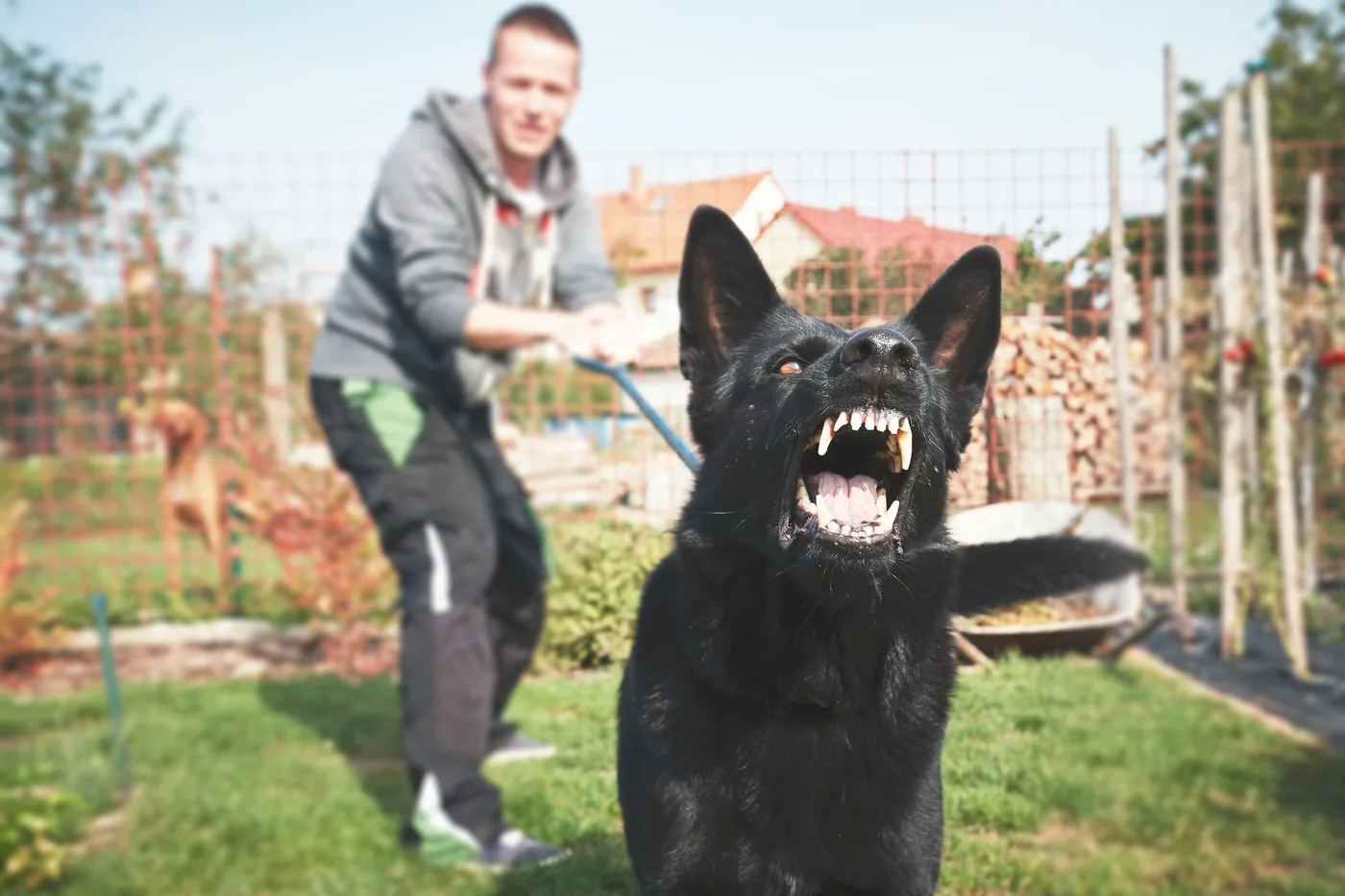
Sound Familiar?
Barking and lunging at dogs or people on walks, even ones a block away
Fine in some places, explosive in others, and you cannot predict which
Whining, spinning or fixating the moment a trigger appears on the horizon
Takes forever to calm down after an episode, and the rest of the walk is ruined
Treats work at home but are ignored completely once your dog is over threshold
Obedience class made it worse: too many dogs, too close, too soon
Every one of these has a mechanism, and mechanisms can be changed. That is the work.
The Movement-Integrated Difference
Standard reactivity training works on the mind: counter-conditioning, desensitization, engagement. Good tools, and we use them expertly. But they ignore half the animal.
Chronically stressed dogs hold that stress physically: tight hip flexors, braced posture, restricted gait, poor balance. That tension keeps the nervous system pinned near threshold before the first trigger even appears, which is why some dogs plateau in traditional programs. Our approach works both layers at once. Static and dynamic movement exercises teach your dog to settle and self-regulate in stimulating environments, while structured behavior work changes what triggers mean. Posture improves, thresholds rise, recovery quickens.
You will learn to read your dog's body language early, manage distance like a professional, and handle the surprise trigger at close range without the wheels coming off. Austin is a stimulating city. We train for the city you actually live in.
Achieving Tranquility: The Program
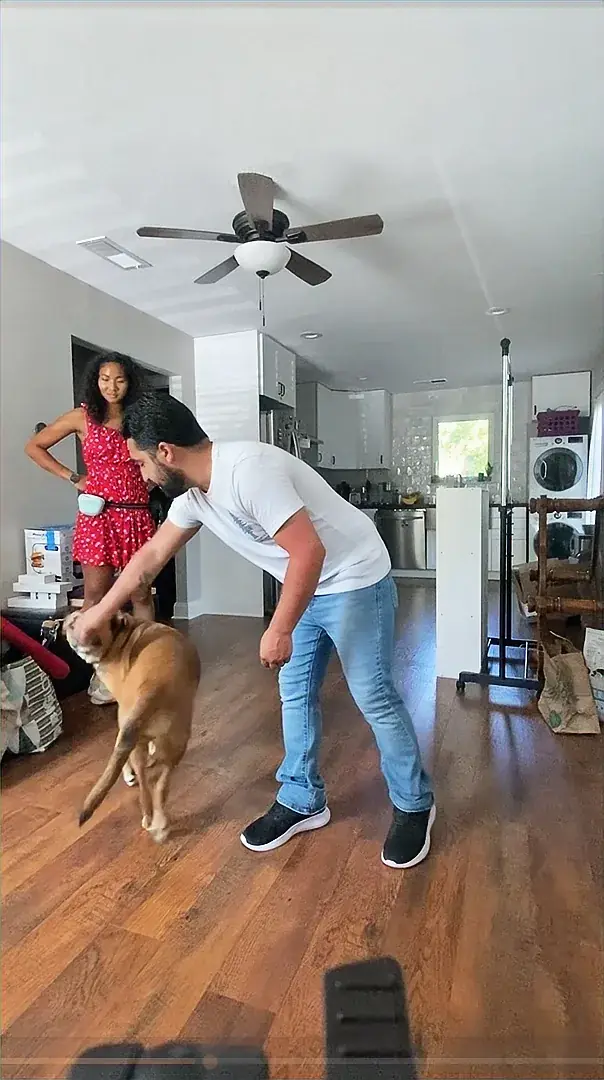
Our behavior modification program runs $1,260 and is built for dogs struggling with reactivity, anxiety and over-arousal. Six in-home sessions focused on real-life challenges, plus a virtual introductory consultation. Gradual, structured exposure to public environments and triggers, always under threshold. Coaching that teaches you your dog's emotions, thresholds and responses. A customized plan adjusted week by week as behavior evolves, with full phone and email support between sessions.
It is led personally by Steven Tallas, CBCC-KA, the certification specifically recommended for reactivity and aggression cases, with additional certification from AggressiveDog.com and Fear Free. This is the credential set the industry tells you to look for. In Austin, this is where you find it.
Aggression, Guarding and Bite History
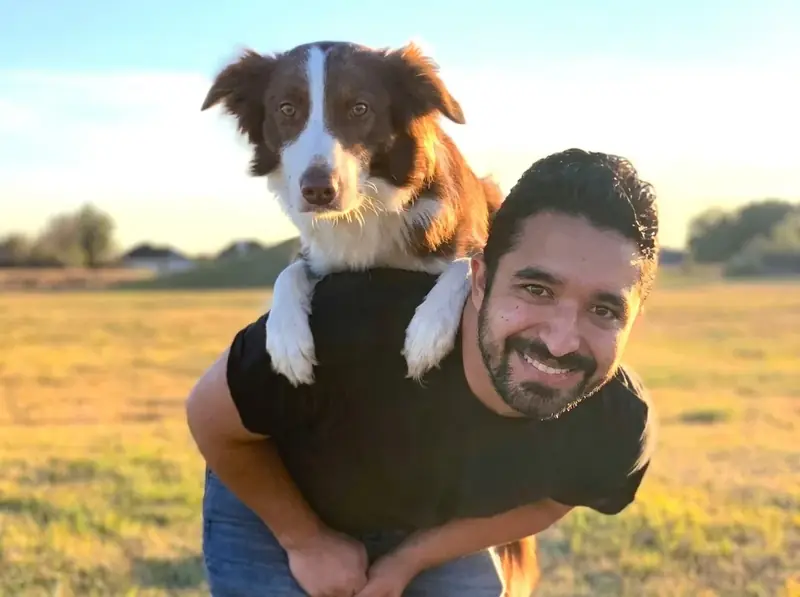
Growling, snapping, resource guarding, a bite that scared you: aggression is serious, and it belongs with a certified specialist, not a guess. It runs through this same behavior program, led personally by Steven Tallas, CBCC-KA, the credential the industry itself recommends for aggression cases, with additional certification from AggressiveDog.com and Fear Free.
Honest expectations first: aggression is managed and dramatically improved, not erased. Most of it is fear, pain or guarding, and all three respond to structured behavior modification. We assess bite severity on standard scales, build safety and management before anything else, and are straightforward with you about prognosis and effort. What you will never get from us is a shock collar or advice to dominate your dog. Punishment suppresses the warning signals, the growl, the stiffening, the whale eye, without changing the emotion underneath, which is exactly how you get the bite that came from nowhere.
Resource guarding, fear aggression, dog-dog aggression, stranger danger, handling and husbandry aggression, and dogs who have already made contact are all cases we work with, in your home, where the triggers actually live.
Related Programs
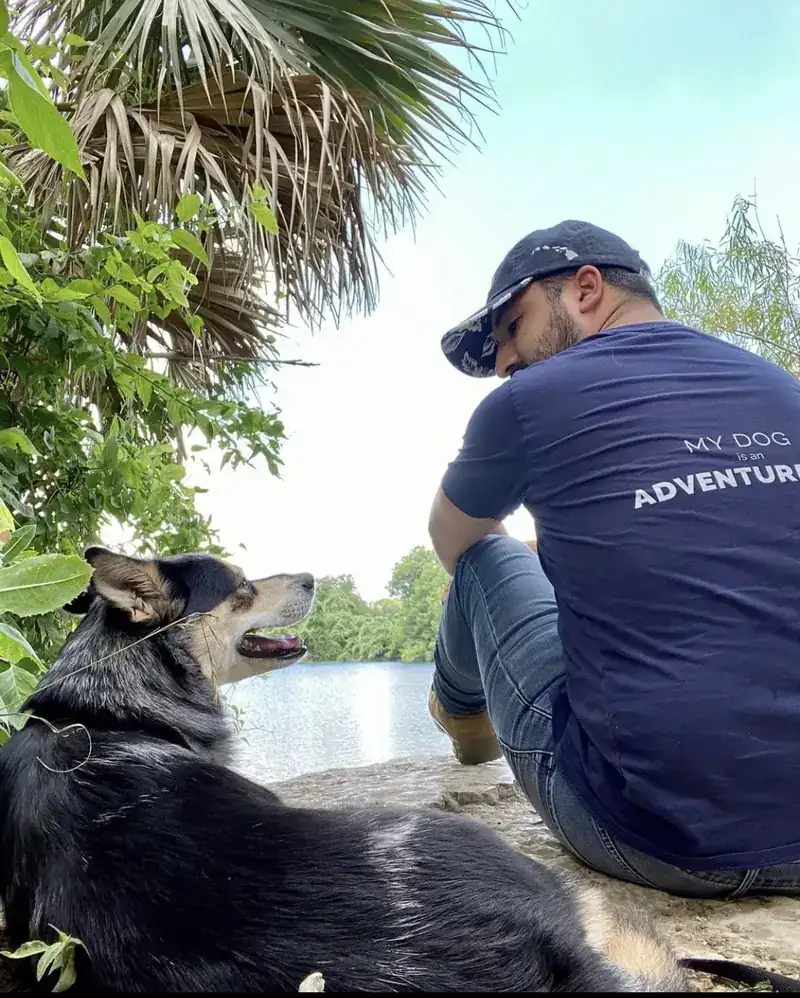
The physical layer of this work stands on its own at Canine Fitness, household structure starts with In-Home Dog Training, and dogs who graduate can join a group clinic when ready.
Reactive Dog Questions
What is dog reactivity, exactly?
Reactivity is an exaggerated response to a trigger: barking, lunging, pulling or growling at dogs, people, bikes or cars. It can look aggressive, but most reactive dogs are fearful, frustrated or over-aroused rather than dangerous. The distinction matters, because the training that fixes frustration can worsen fear, which is why certified assessment comes first.
Why does my dog explode on leash but play fine off leash?
Classic leash reactivity. The leash removes your dog's ability to control distance, their primary coping tool, and traps them at whatever range you choose. Frustration and fear build until they erupt. We rebuild your dog's confidence at distance and give both of you skills that make the leash feel like connection instead of confinement.
What does the program include?
Achieving Tranquility, our behavior modification program, is $1,260: six in-home behavior sessions plus a virtual introductory consultation, gradual structured exposure to triggers, coaching on thresholds and body language, a customized week-by-week plan, and full phone and email support. An optional virtual follow-up covers you for a month after completion.
Why is movement part of reactivity training?
Because chronic stress lives in the body. Reactive dogs commonly carry muscular tension, poor balance and restricted movement patterns that keep their nervous system near threshold all day. Our fitness-integrated approach releases that physical layer while behavior work rebuilds the emotional one. It is the combination that makes our results hold.
Will my dog ever be normal on walks?
Most dogs improve dramatically: calm passes at reasonable distance, recovery within seconds instead of minutes, and walks you genuinely enjoy. Some dogs will always need a little distance management, and we will be honest about your dog's likely ceiling at the assessment. What we do not do is promise a robot, or blame you when biology is the variable.
Ready to Transform Your Dog?
Book a free consultation and tell us what you and your dog are struggling with. We’ll map the fastest route to calm.