In-Home Dog Training Austin, TX
Personalized, one-on-one training in your home and neighborhood, built around your dog, your goals and your real life. Functional movement and behavior modification in every program, because the behavior you want has to work where you live, not just in a training hall.
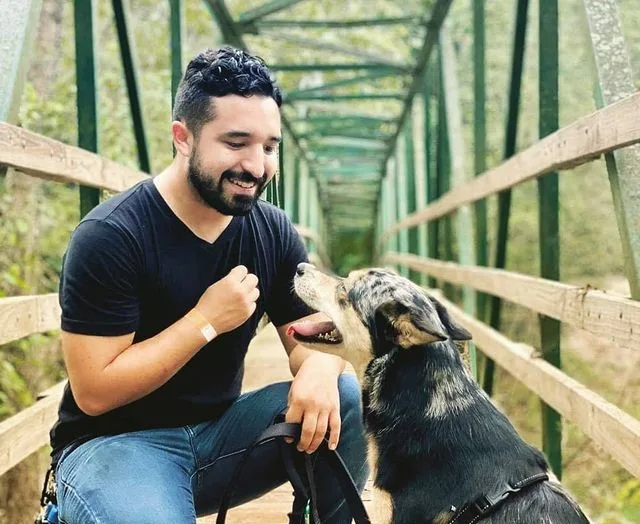
Professional Certifications & Memberships










Steven Tallas, CBCC-KA, Dip.CBST, CSCC — certified in canine behavior consulting, behavior science & technology, and canine sports conditioning.
Training Where Your Dog Actually Lives
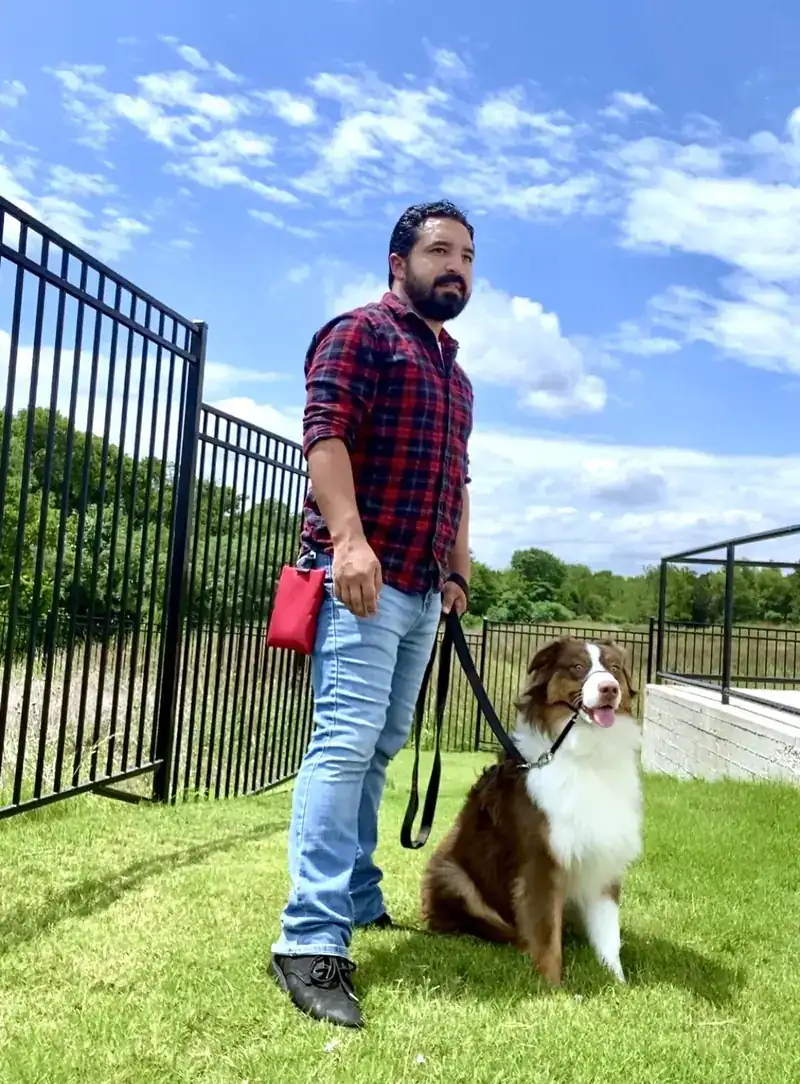
Your dog's problem behaviors do not happen in a training facility. They happen at your front door when the delivery driver knocks. On the sidewalk where the neighbor's dog appears. In the kitchen where counter surfing pays off. That is exactly where we train.
Venture Dog Training brings certified, professional dog training to homes across Austin. Every program is private and personalized: your dog, your household, your goals. We start with a full assessment of your dog's behavior, movement and environment, then build a step-by-step plan that fits your actual lifestyle rather than a one-size-fits-all curriculum.
This is the format nearly all of our work uses, whether the goal is basic obedience, loose-leash walking, jumping and door manners, or deeper behavior work like reactivity and separation anxiety. It is the most direct route from where you are to the dog you want to live with.
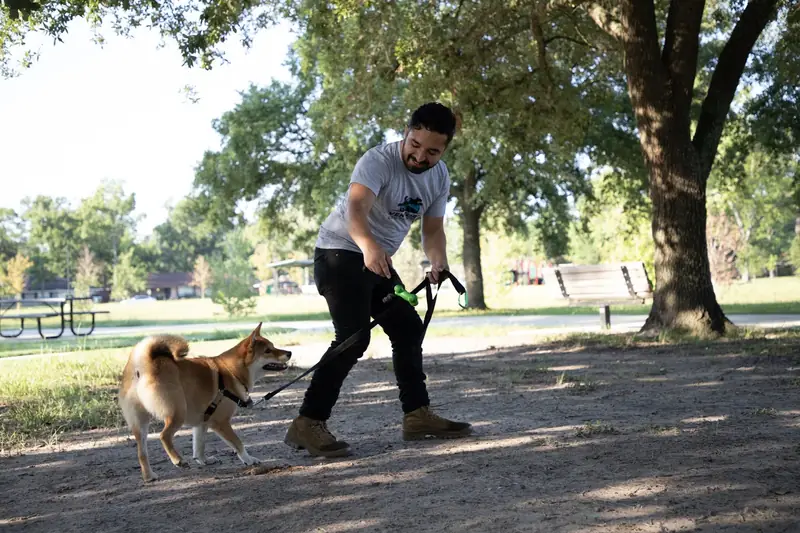
What We Solve In-Home
Leash Manners
Pulling, zig-zagging and dragging turn into calm, connected walks your arms will thank you for.
Door & Guest Behavior
Jumping, barking and bolting at the door replaced with a reliable settle when company arrives.
Basic Obedience
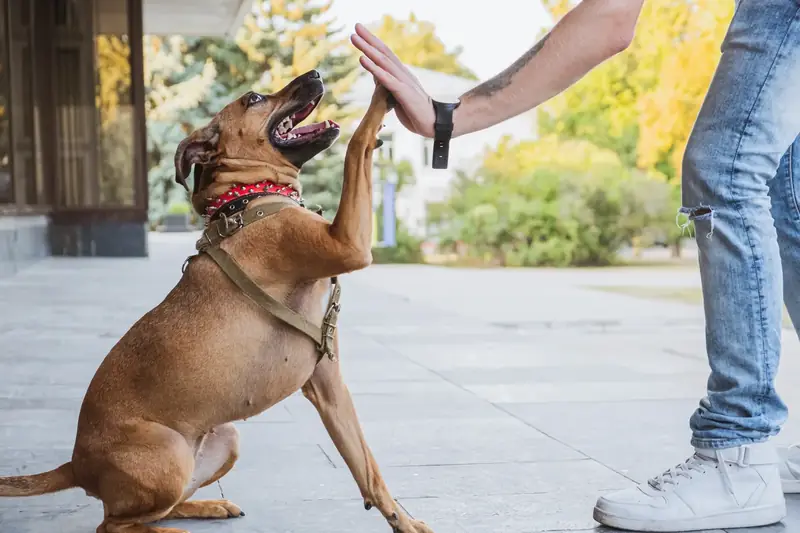
Sit, down, stay, recall and leave-it, taught through movement so they hold up under distraction.
Focus & Engagement
A dog who checks in with you around other dogs, people and Austin's endless distractions.
Household Structure
Routines, boundaries and enrichment that set your whole home up for calm behavior.
Behavior Concerns
Reactivity, anxiety or guarding? In-home is where our behavior modification programs start too.
Two Programs, One Standard
Movement & Manners, $1,120. Everyday obedience for real life. Six in-home sessions plus a virtual introductory consultation, with gradual exposure to public environments and everyday distractions. The focus is leash manners, engagement and calm behavior, with a customized plan, weekly check-ins and full phone and email support between sessions. Most clients see noticeable improvement within the first two to three sessions.
Obedience + Fitness Hybrid, $1,150. Our signature program combines obedience, movement and physical conditioning. Skills are taught through body awareness and controlled motion: heelwork, recalls, controlled deceleration, balance and proprioception. It builds reliability by training the body that produces the behavior, and it is the best fit for dogs who know the basics and are ready for real-world fluency.
Both programs include a 10% supporting graduate discount on additional lessons, and an optional virtual follow-up up to one month after your program completes.
You Are Half the Program
We train dogs, but our real job is coaching you. Every session ends with clear homework, and every week includes a check-in so questions never wait seven days for an answer. You will learn to read your dog's body language, manage the environment so good choices come easily, and handle setbacks without losing progress.
That is why our results outlast the program. When the humans understand the why behind every technique, the dog's new habits have somewhere to live permanently. Clients regularly tell us the biggest change was not in their dog, it was in how confidently they could finally communicate with them.
Ready to see what a personalized program looks like for your dog? The consultation is free, and it starts with listening, not selling.
Related Programs
Puppies start with The Puppy Journey. Dogs who bark and lunge on leash should begin with Reactive Dog Training. Want the physical side on its own? See Canine Fitness, or join a group class or clinic once your dog is ready to work around others.
In-Home Dog Training Questions
Why choose in-home dog training over classes at a facility?
Dogs do not generalize well. A sit that works in a quiet training hall often disappears at your front door, on South Lamar, or when the doorbell rings. Training in your home means we work directly with the real triggers, the real routines and the real environment your dog lives in, so results transfer immediately.
Who will be training my dog?
Steven Tallas, a Certified Behavior Consultant (CBCC-KA) with 13 years of professional experience, leads our training programs personally. You are never handed to a junior trainer who finished a six-week course last month.
What does an in-home program cost?
Our Movement & Manners obedience program is $1,120 and our signature Obedience + Fitness Hybrid is $1,150. Both include six in-home sessions, a virtual introductory consultation, weekly check-ins, a customized training plan and full phone and email support, plus a graduate discount on additional lessons.
Do you work with the whole family?
Yes, and we encourage it. Consistency is what makes training stick, so we align everyone in the household on the same techniques, including kids. You are coached in every session, because you are the one living with your dog the other 167 hours a week.
Which areas of Austin do you serve?
Core service areas are South and Central Austin, including Sunset Valley, Manchaca, West Lake Hills and Circle C. North Austin, Pflugerville and Hutto are served on designated service days. If you are nearby, ask, we are often more flexible than the map suggests.
Ready to Transform Your Dog?
Book a free consultation and tell us what you and your dog are struggling with. We’ll map the fastest route to calm.