Kennel Training Guide: How to Crate Train Your Dog the Right Way
Published · Venture Dog Training
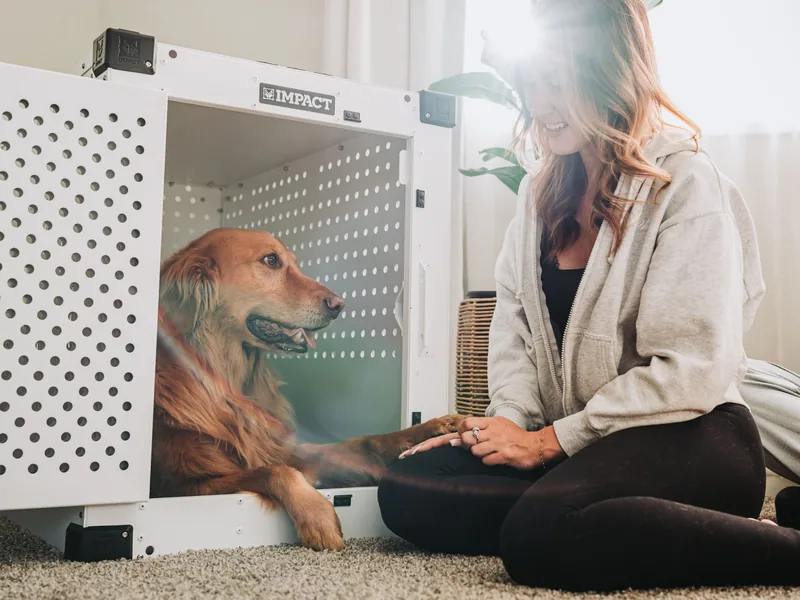
Bringing a dog home is an exciting moment, but with that joy comes the responsibility of proper training. One of the most effective and humane methods for housebreaking, routine building, and behavioral support is kennel training (also called crate training).
In this comprehensive guide, we’ll cover everything you need to know to successfully crate train your dog or puppy, step by step. Whether you’re a first-time dog owner or looking to improve your dog’s behavior, this guide is your go-to resource.
What Is Kennel Training?
Kennel training involves teaching your dog to view a crate or kennel as a safe, comfortable place, not a punishment zone. Dogs are den animals by nature, and with the right approach, they’ll learn to love their crate as their personal space for rest and relaxation.
Why Kennel Training Is Important
Crate training isn’t just about housebreaking. It serves multiple purposes:
- Supports house training: dogs learn to control their bladder and bowel movements
- Prevents destructive behavior: ideal for young puppies or new rescues
- Provides comfort: especially during travel or unfamiliar environments
- Reduces separation anxiety
- Helps establish a daily routine
How to Start Kennel Training: Step-by-Step Guide
1. Choose the Right Crate
Select a crate that’s:
- Big enough for your dog to stand, turn, and lie down
- Not too large, to help prevent potty accidents
- Made of wire, plastic, or soft-sided material, depending on your dog’s size and personality
Add a soft bed or blanket and a chew-safe toy to make it inviting.
2. Introduce the Kennel Gently
Place the crate in a calm corner of your home and leave the door open. Encourage your dog to explore with treats or toys. Never force them inside; let curiosity lead the way.
3. Feed Meals Inside the Crate
Start feeding your dog just inside the crate. Over a few days, move the bowl farther inside. This naturally builds a positive association.
4. Use a Command
Introduce a cue like “crate” or “kennel” every time your dog enters. Reinforce with praise and treats. Repetition is key to building consistency.
5. Gradually Increase Crate Time
Start with short sessions (5–10 minutes), increasing as your dog grows more comfortable. Leave the room briefly to test their independence.
6. Crate When Leaving the House
Once your dog is used to the crate, begin using it when you’re out. Start with 15–30 minutes and build up to longer periods. Return calmly to avoid excitement or anxiety.
7. Crate at Night
At night, place the crate near your bed to help your puppy or new dog settle. Over time, you can transition the crate to another room.
8. Avoid Common Mistakes
- Never use the crate as punishment
- Don’t leave dogs crated for too long (4–5 hours max during the day)
- Avoid opening the door while your dog is barking or whining; wait for calm behavior
Common Problems and Solutions
Daily Crate Training Schedule
Tips for Successful Kennel Training
- Keep crate time positive with praise and treats
- Don’t overuse the crate; give your dog time to play and interact
- Be patient; training takes time, especially with puppies or rescue dogs
- Keep a consistent crate training schedule
How Long Does Crate Training Take?
Some dogs adapt within days, while others take a few weeks. Puppies usually adjust faster when started young (around 8 weeks). Stay consistent and go at your dog’s pace.
When Not to Use a Crate
Avoid crate use if:
- Your dog suffers from severe anxiety or claustrophobia
- You plan to crate for extended hours without breaks
- You’ve used the crate as punishment in the past
Kennel training should always promote trust, not fear. If your dog panics in the crate or struggles when left alone, our Dog Behavior Training program can help you build a plan.
Final Thoughts
Kennel training is one of the best ways to set your dog up for success. It teaches boundaries, encourages calm behavior, and gives your dog a peaceful, personal space. Done correctly, it becomes something your dog chooses, not endures.
Stay consistent, reward progress, and make the crate a positive part of your dog’s life. With time and patience, both you and your dog will enjoy the benefits of a well-trained, crate-comfortable pup.
Raising a puppy in Austin? Crate routines, potty training, and everyday manners are all part of our Puppy Training program. Book a free consultation to get started.
Frequently Asked Questions
Is kennel training cruel?
No. When used properly, kennel training provides structure, comfort, and safety. It mirrors a dog’s natural instinct to have a den-like space.
How long should I crate my puppy?
Start with 5–10 minute sessions. Avoid crating a puppy for more than 2–3 hours at a time. Adult dogs can be crated for up to 4–5 hours with breaks.
What age is best for kennel training?
You can begin kennel training as early as 8 weeks old. Earlier is better for habit formation.
My dog barks in the crate. What should I do?
Wait for silence before opening the crate. Don’t reward barking with freedom. Provide toys and make sure they’ve had exercise.
Can I use the crate when I go to work?
Yes, but make sure your dog has exercise before and after. If you’re gone for long hours, consider a midday dog walker or doggy daycare.
What should I put in the crate?
Use a soft crate mat or blanket, safe chew toys, and water if needed (especially for longer periods).